Raw Materials
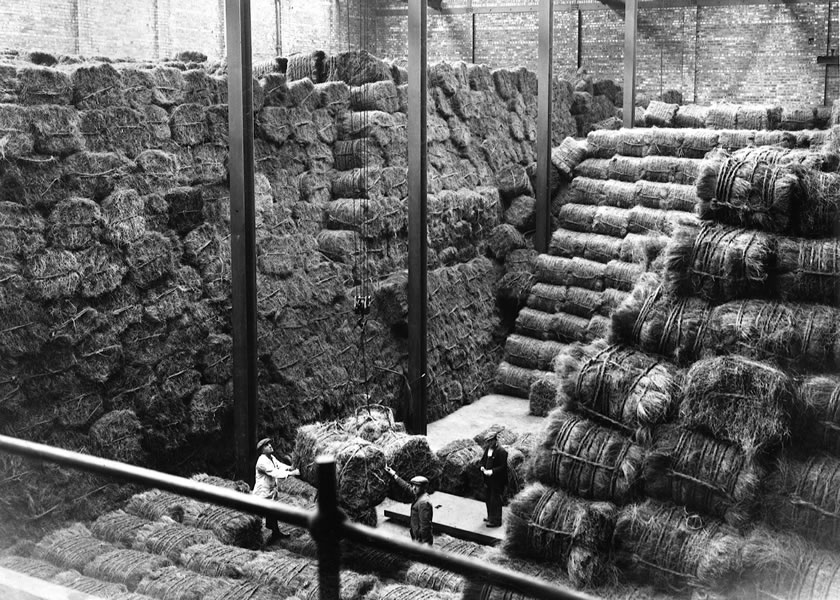 |
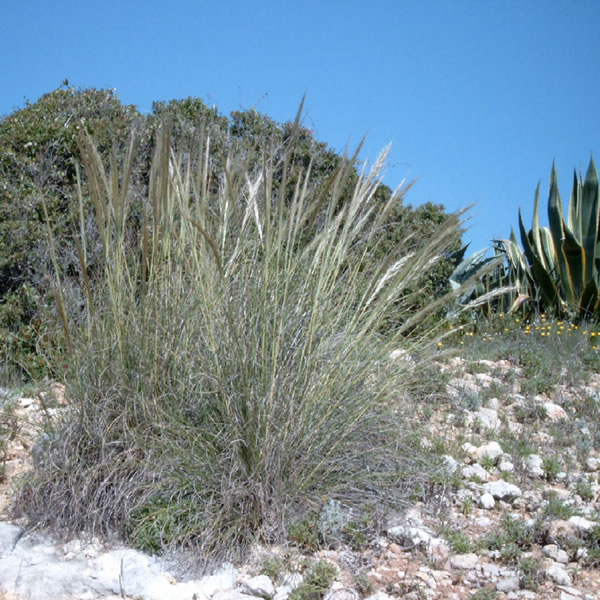
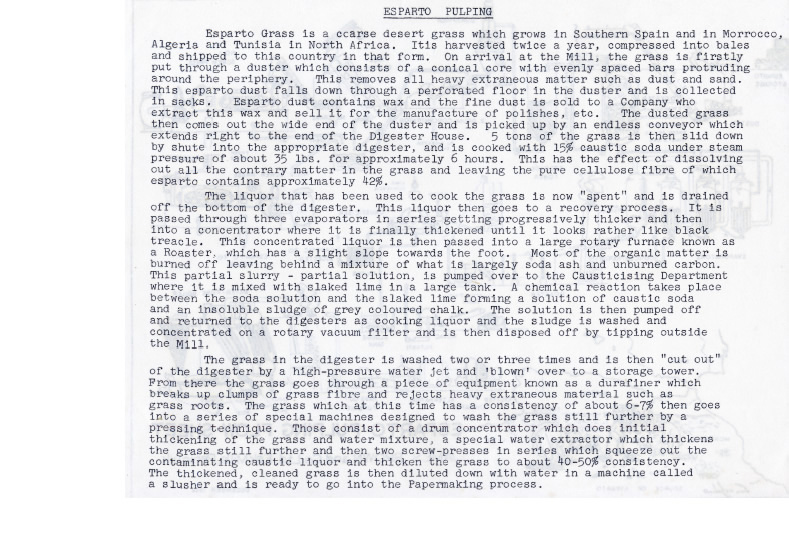
Originally paper was made from cotton and linen rags, but such was the demand, that papermakers constantly sought alternative raw materials. In about 1840 ground wood pulp was introduced. Its poor quality restricted its use to the lowest grades of paper. This was followed by esparto grass, from North Africa in 1860, brought back as ballast in the coal ships. Esparto was to become the principal raw material for high quality papers for over 100 years. Then came chemical wood pulp in about 1870, but initially the quality was poor. With the rising costs and scarcity of esparto, chemical wood pulp was to become the principle raw material. |
|
|
||
|
|
|||
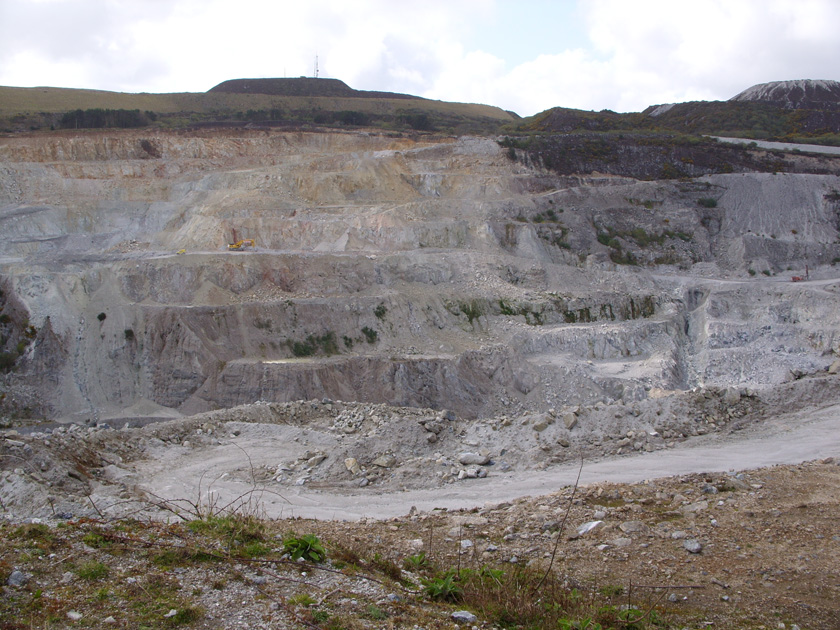
| China clay from Cornwall was used to improve the printing qualities of the paper. Up to 25% was used in imitation art paper.
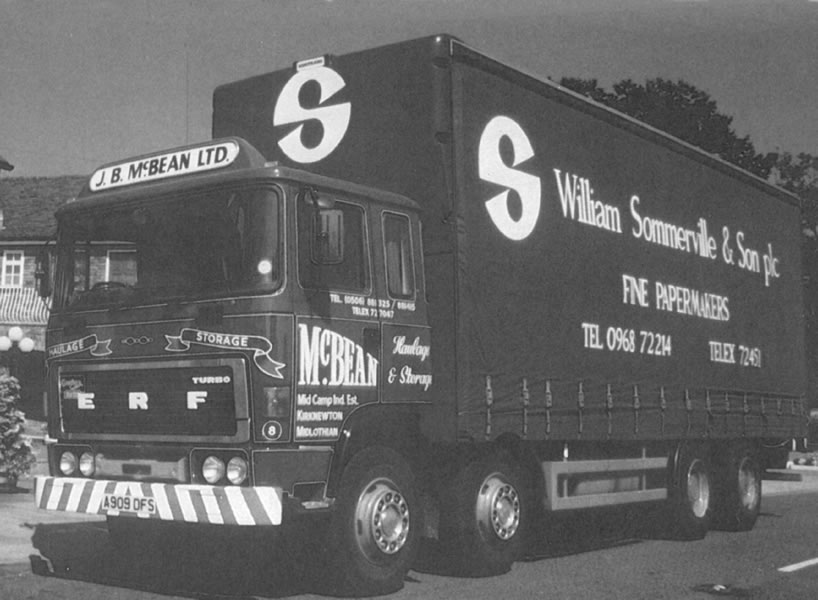
Chemicals including, caustic soda, bleaching powder, dyes and alum became available from a fast developing chemical industry, at a price that made pulping esparto and wood economic. The first mills used waterpower only, but as production increased, the additional energy came from coal. Steam was also required for the drying of paper and in the pulping of esparto. Transport For every ton of paper produced, three tons of coals and two tons of raw materials were required. In 1866, Valleyfield received or dispatched 300 tons every week, all by horse and cart, before the railway arrived in 1873. |
|
|
||
 Danny McClure who worked in Inveresk Mill 1958 - 1962 and Valleyfield Mill 1970 - 1975 speaks about sources of raw materials |
||||
Danny McClure talks about the transport of raw materials |
||||
|
||||




Penicuik Historical Society :: Penicuik Town Hall :: 33 High Street :: Penicuik :: EH26 8HS
e-mail :: info@penicuikpapermaking.org
e-mail :: info@penicuikpapermaking.org
© Penicuik Historical Society :: site by Wallace Web Design